
ChronoBid
About ChronoBid
ChronoBid is an Australian online auction platform for luxury and collectible watches. We publish detailed catalogue notes, run timed online auctions in AUD, and serve established collectors as well as buyers placing their first significant bid.
- 01
Specialisation
A platform dedicated exclusively to watches.
- 02
Transparency
Clear auction rules, bid increments, fees, and lot information.
- 03
Professional presentation
Prepared catalogue descriptions and detailed photography.
- 04
Confidentiality
Bidder information stays private throughout the auction.
Approach
A focused approach to watch auctions
ChronoBid was created with one focus: watches.
We are not a general marketplace. We concentrate on luxury, vintage, modern, and independent timepieces so each watch can get the catalogue detail and photography it needs.
Before a watch enters an upcoming auction, we consider condition, history, completeness, and fit with the sale.
Our goal is not to list as many watches as possible. It is to present a selected catalogue that buyers can read with confidence.
- 01CHRONOBID AUCTIONS PTY LTD
- 02ABN 16 702 282 808
- 03ACN 702 282 808
- 04Main business location: Melbourne Victoria 3000, Australia
- 05State of operation: Victoria
- 06Phone 1300 90 70 70
- 07Second-hand dealers licence SHD-0018452
- 08support@chronobid.com.au
- 09Weekdays 9am-5pm AEST
Specialists
Who reviews lots
Catalogue review is handled by ChronoBid staff in Australia. Intake, photography, and catalogue notes follow Our Watch Assessment Process before a lot goes live. Named specialist profiles will be published here when ChronoBid releases them.
Standards
Service standards we publish
ChronoBid is early. We earn trust through process you can check, not prestige claims. These standards match Our Watch Assessment Process and Auction rules.
- 01Basic catalogue review before a lot goes live: photography, reference comparison, condition notes, and box or papers when supplied.
- 02Case opening, timing tests, water-resistance tests, and stolen-watch database searches are not standard steps unless the lot page says they were done.
- 03A formal authenticity certificate is not part of the standard review. Independent watchmaker examination is used when ChronoBid agrees a dispute needs it.
- 04Bidder amounts are public on the lot. Bidder names stay with staff.
- 05Support replies during Weekdays 9am-5pm AEST at support@chronobid.com.au or 1300 90 70 70.
Collectors
Created for watch collectors
A watch can mean craftsmanship, history, personal achievement, or a long-held interest. Collectors approach the market in different ways.
Some buyers hunt an iconic reference. Others are discovering independent watchmaking, buying a first luxury watch, or finally finding a watch they have wanted for years.
ChronoBid is built for serious buyers, whether they are new to auctions or already deep in the catalogue.
Catalogue notes cover the details we have: reference numbers, condition, accessories, documentation, service history, and known replacement components. When a detail is missing or uncertain, the lot page says so.
Process
Our review and catalogue process
Every watch must be reviewed before it can appear in a ChronoBid auction. Sellers cannot create a listing and publish it directly to the platform.
- 01Review the brand, model, reference, and identifying details
- 02Assess overall condition and completeness
- 03Examine available box, papers, and service documentation
- 04Note visible replacement or refinished components where reasonably possible
- 05Photograph the watch for the catalogue
- 06Write an individual catalogue description
- 07Confirm suitability for an upcoming auction
The precise scope of any inspection, authentication, or specialist assessment is disclosed on the individual lot page.
Buyers should get clear information before they bid. Sellers should see their watches presented to an audience that understands watches.

Bidding
Transparent online bidding
ChronoBid auctions run online with published bid increments, closing times, and lot information.
The current highest bid is visible during the auction. Bidder identities remain confidential. The published closing time is fixed; bids do not extend the clock.
Some watches carry a reserve. When a reserve applies, the lot page shows the relevant reserve status under our auction rules.
Before you bid, read the full lot description, photographs, condition notes, applicable fees, and auction terms.
Catalogue
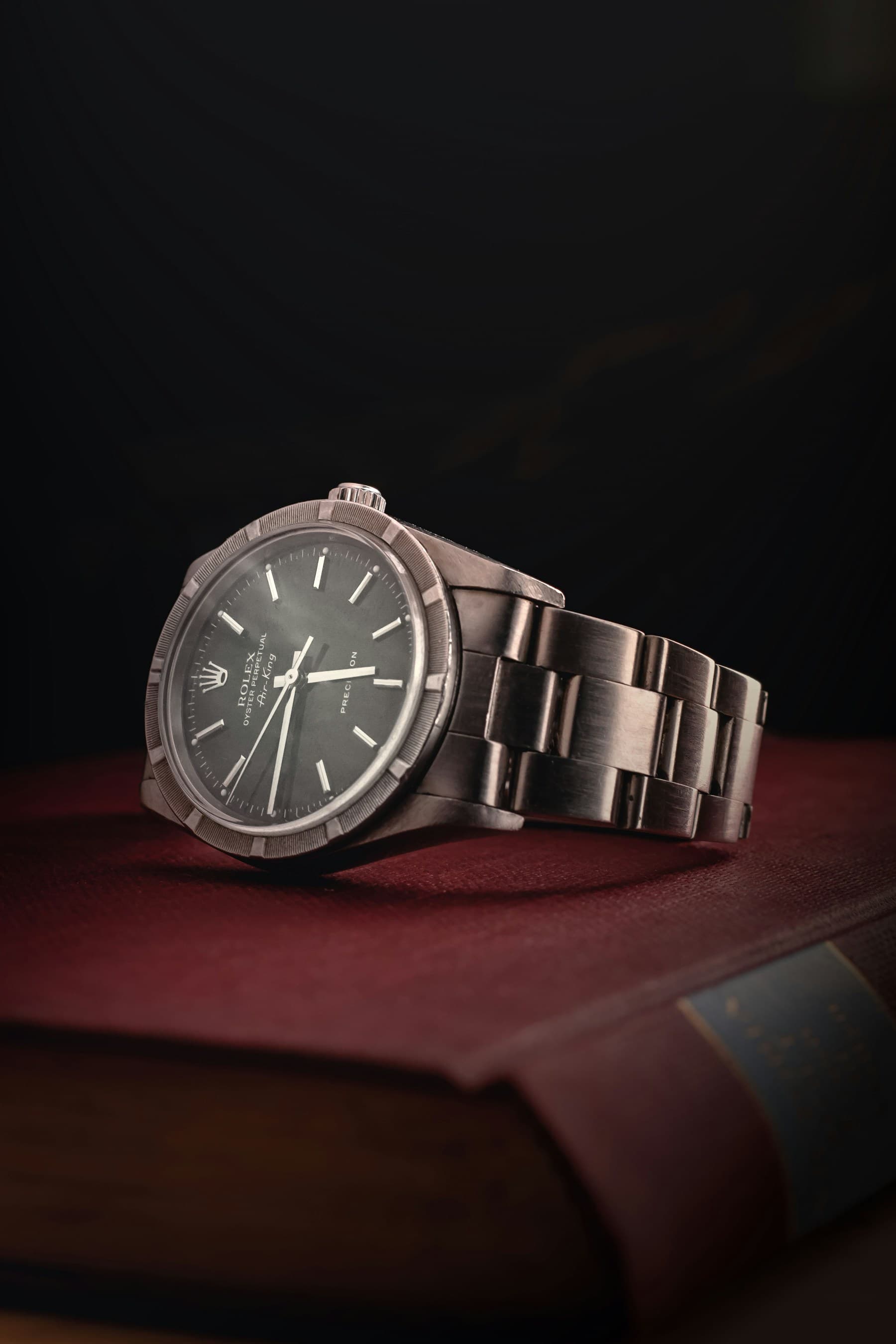
Detailed and honest presentation
We describe each watch from what we see in review and from the documents the seller supplies.
Where relevant, the lot includes known condition notes, provenance, service history, accessories, and replacement components. If a detail matters to your decision and the catalogue does not provide this information, contact us before you bid.
Catalogue estimates are guidance based on available market information and our assessment. They are not guarantees of value or predictions of the hammer.
Read the complete listing, then decide what the watch is worth to you.
Consignment
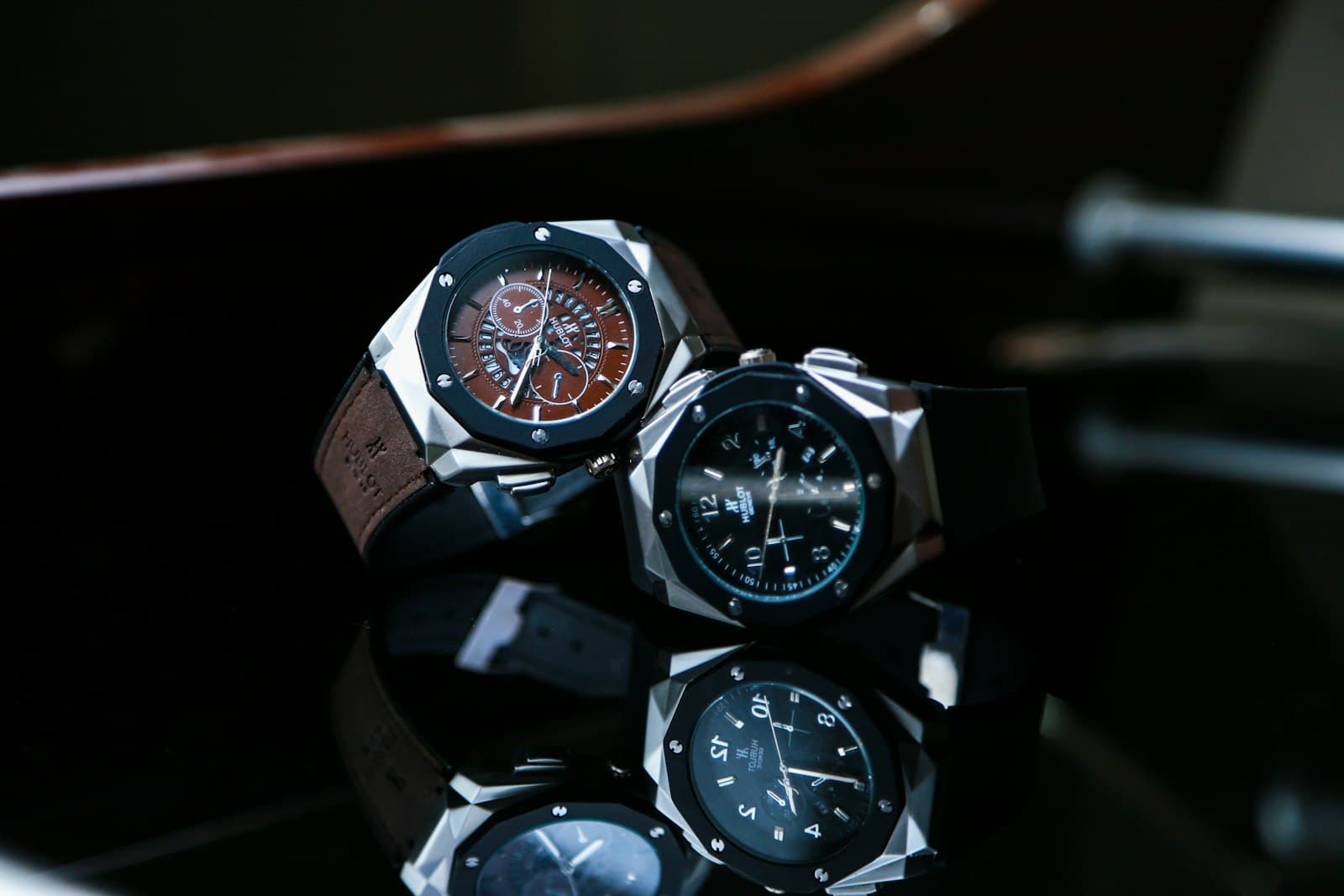
Selling with ChronoBid
ChronoBid offers watch owners a house-managed path instead of a general marketplace listing.
Start by submitting brand, model, reference number, condition, and any box, papers, or service history you hold.
If the watch fits an upcoming auction, we discuss next steps with you. Accepted watches are reviewed, photographed, and catalogued before registered bidders see them.
Consignments run through ChronoBid. Sellers do not publish their own listings or message bidders during the auction.
That keeps catalogue standards consistent and gives buyers and sellers a clearer auction process.
Promise
Our commitment
ChronoBid aims to be a clear, reliable place to buy and sell collectible watches in Australia.
Trust comes from consistent standards, honest communication, and reliable service. Those principles shape how we assess watches, present auctions, and support clients.
Next step
Discover ChronoBid
Browse current and upcoming auctions, create an account to bid, or submit a watch for consideration.