Who conducts the examination?
ChronoBid house staff conduct the basic catalogue review. This is ChronoBid staff assessment, not an examination by an independent watchmaker, unless the lot page names a different examiner for that watch.


Before a ChronoBid lot goes live, house staff complete a basic catalogue review. We photograph the watch, compare the stated reference with what we see, note box and papers when present, and write the catalogue entry. That review is not a formal authenticity certificate, an independent watchmaker examination, or a post-purchase authenticity warranty unless the lot page says otherwise.
ChronoBid’s watch assessment process is a basic catalogue review by house staff. It covers photography, reference comparison, condition notes, and box or papers when supplied. The case is not opened as a standard step. Timing, water resistance, stolen-watch databases, and formal certificates are not included unless the lot notes say they were done.
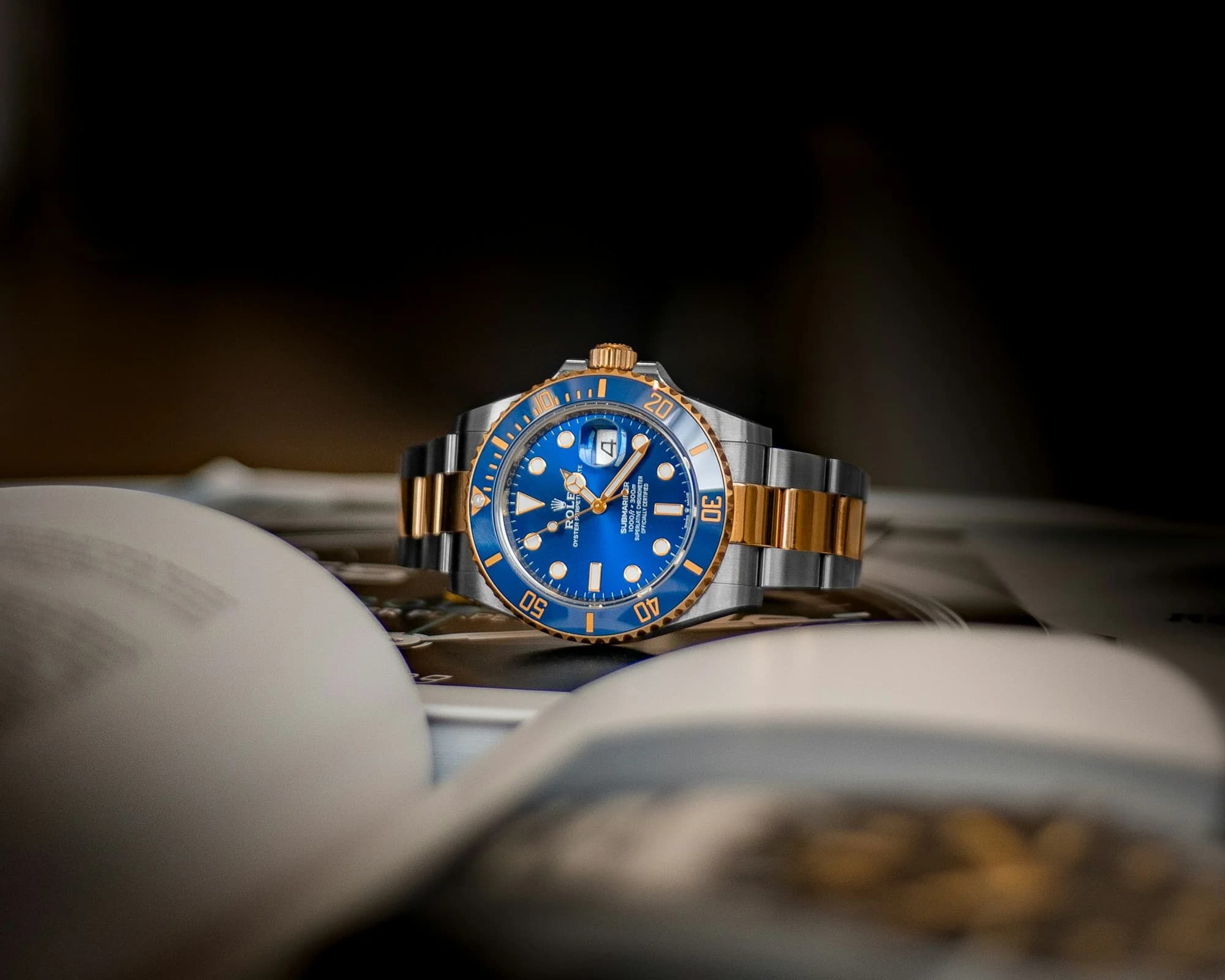
Australian buyers often hear authenticate, inspect, and review used as if they mean the same thing. They do not. ChronoBid’s published service on this page is a visual catalogue assessment: house staff review the watch so the auction catalogue is honest and complete enough to bid against.
If a watch does not clear that review, it does not go live. If a lot needs a stronger claim later, that claim must appear on the lot page. Until then, treat every ChronoBid lot as covered by the basic catalogue review described here.
Consignment starts a conversation with the house. Assessment sits between intake and the live catalogue.
You send the reference, condition notes, and any papers you hold. ChronoBid decides whether the watch fits an upcoming sale.
House staff review condition, completeness, and fit with the sale. They photograph the watch and draft the catalogue note from what they can see and what you supplied.
If the watch clears review, the lot publishes with photos, published increments, and the notes from that review. Read those notes before you bid.
Disputes about material misdescription or authenticity follow Buyer Protection and any rights you keep under Australian Consumer Law.
These are the scope questions buyers ask before they trust an Australian auction catalogue. Each answer describes ChronoBid’s basic catalogue review only.
ChronoBid house staff conduct the basic catalogue review. This is ChronoBid staff assessment, not an examination by an independent watchmaker, unless the lot page names a different examiner for that watch.
Catalogue review is done by ChronoBid staff who handle consignment intake, photography, and lot notes. We do not market this step as a certified watchmaking appraisal. If a lot later carries credentials from a named watchmaker or partner, those credentials appear on that lot only.
No, not as a standard step. A basic catalogue review is a visual assessment of the watch as presented. The case is opened only when that step is safe, necessary, and recorded in the lot notes.
Only when the movement is safely available and the lot notes say so. If the catalogue does not provide this information on the movement, do not assume ChronoBid examined calibre, finishing, or originality of internal parts.
We compare the stated reference with the watch and the photos. Serial numbers that appear in public images are partially concealed. Matching a reference to photos is not the same as a manufacturer archive check or a formal certificate.
Stolen-watch database checks are not part of the standard basic catalogue review. ChronoBid does not claim an Art Loss Register search or similar database check unless that check is stated on the lot.
Yes, when they are supplied. Box, papers, warranty cards, and service records appear on the lot when they are in the file. If papers are missing and we know that, the catalogue should say so. Missing papers are not proof the watch is incomplete in every other respect, and present papers are not a substitute for reading the condition notes.
No, not as standard steps of the basic catalogue review. Do not assume rate accuracy or water resistance from ChronoBid photography alone. Treat timing and water resistance as untested unless the lot notes say those tests were run.
A basic catalogue review is not a formal authenticity certificate and not a post-purchase authenticity warranty. What follows after sale is the wording on that lot, the process on Buyer Protection, and rights you may still have under Australian Consumer Law. Read the lot before you bid.
Contact ChronoBid promptly with the lot number and clear photos. ChronoBid staff open a dispute review against the published catalogue notes and this assessment process. An independent watchmaker is engaged only when ChronoBid agrees further examination is needed for that dispute. Material misdescription may lead to cancellation, refund, or another written resolution where the facts support it.
Other Australian houses advertise independent watchmaker examination, written authenticity certificates, timing tests, pressure tests, and short post-sale warranties. ChronoBid does not claim those outcomes on the strength of a basic catalogue review alone.
Assessment gets the lot onto the floor with house notes. Your bid still needs your own reading of the file.
Buyer Protection explains what happens if something is wrong after sale. Fee lines sit on Auction Fees.
Straight answers about ChronoBid’s watch assessment process in Australia: what a basic catalogue review covers, what it does not claim, and what to do if a lot is disputed after sale.
Still have a question?
Ask about lot notes, assessment scope, or a specific reference before you bid.